Surgam

The Philolexian Foundation
In service to the Philolexian Society of Columbia University · Founded MDCCCII
In service to the Philolexian Society of Columbia University · Founded MDCCCII
What the Student Society Does
“To mutually improve its members in Oratory, Composition and Forensic Discussion.”
The Foundation and the Society are two separate entities: the Foundation supports the student Society. The Society's activities and current incarnation (philo.org) are described elsewhere.
What follows is the almanack of exercises that Geezers hazily remember and believe still transpire generation to generation: weekly or bi-weekly debates, an annual contest of bad poetry, an even more annual black-tie dinner, the signing of a parchment scroll that bears James Alexander Hamilton's signature, and an occasional tea at which croquet is played according to a ruleset codified, with characteristic care, in the Constitution.
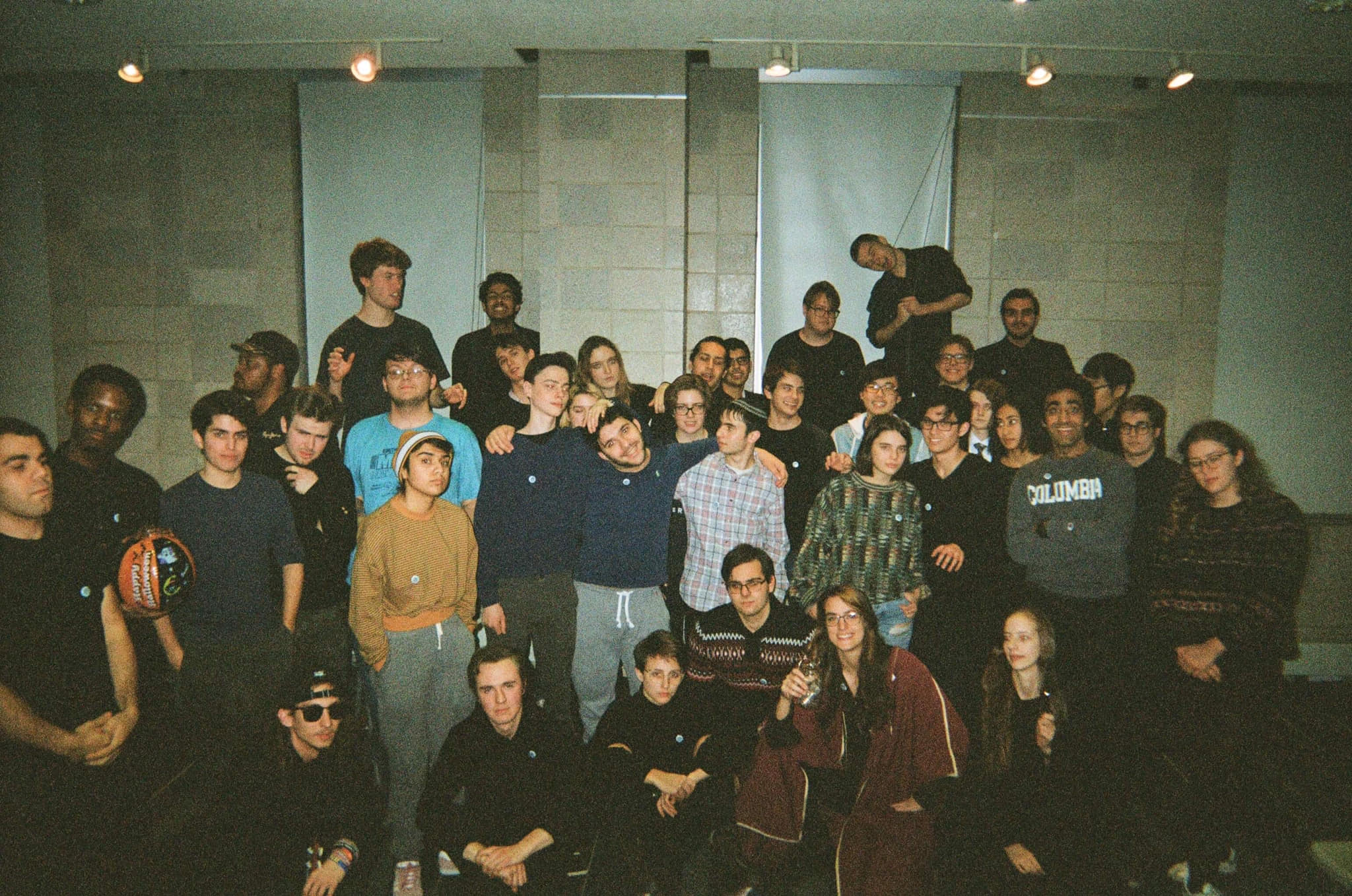
The Society's stated mission, codified in the Constitution, is "To mutually improve its members in Oratory, Composition and Forensic Discussion." This has been the official aim since 1802, and the Society has, with admirable consistency, taken it both completely seriously and not very seriously at all. The same week that produces a closely-argued debate on civil disobedience will produce another on whether Dr. Seuss belongs in the western canon, whether one ought to yield to temptation when it may not come again, or whether wordplay is better than foreplay.
Philolexian has never seen any contradiction here. One learns to argue; one learns to write; one learns to stand up in a room full of people and say something worth hearing. One also learns that somebody will eventually make a joke about it. The Society's own working description, in conversation with itself, is that it combines the best of the Oxford Union and the Rocky Horror Picture Show.
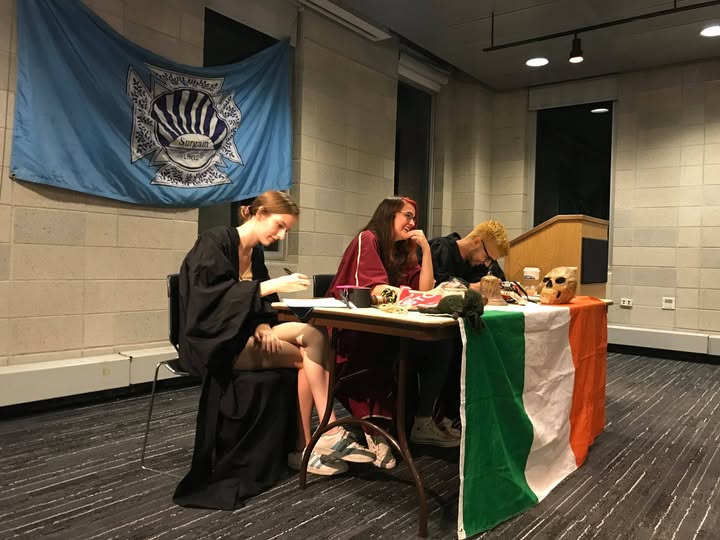
The Society meets every Thursday during the academic term, in a Columbia campus location that changes from semester to semester but whose dignity does not. The order of business is set by the Constitution and includes, among its twelve enumerated stages, the Reading of the Minutes by the Scriba, an extended period of Resolutions, and (at item XII) a reconvening at a location chosen by the Moderator for carousing, rabble-rousing, or other revelry.
Resolutions are debated at length, subjected to ever more elaborate rules of order, and, once finally resolved, duly entered into the minutes. Recent examples have ranged from the gravely topical to the deliriously absurd; the current week's resolution is posted to the Society's Instagram on the morning of each meeting.
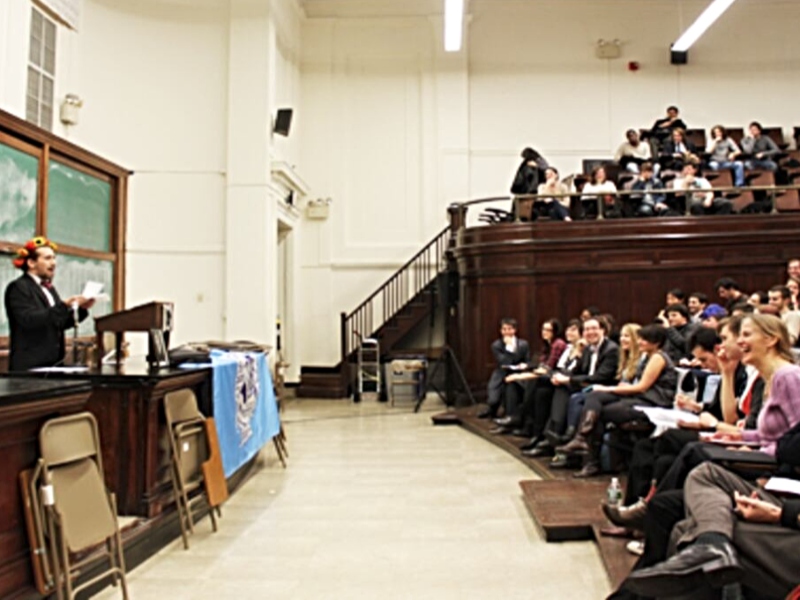
Each November, in the modest acoustics of Havemeyer Hall, the Society gathers to celebrate the worst original verse its members and friends can produce. The contest is named for Joyce Kilmer, Philolexian poet and author of Trees. The name is the only part of the evening that is entirely serious. A faculty panel adjudicates; entries are recited; a winner is declared with appropriate solemnity.
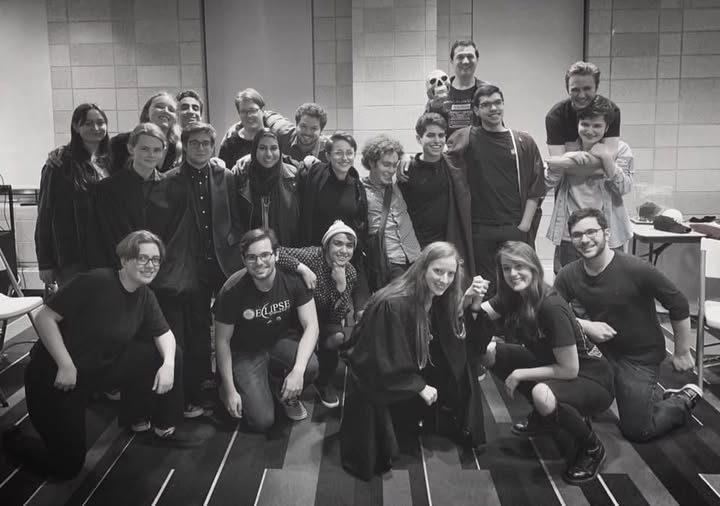
Allen Ginsberg (CC '48) was Moderator of the Society in the years immediately preceding its 1952 interregnum, and Beat Night is the Society's annual excuse to remember him. There are readings; there is music; there is, occasionally, a bongo. No formal connection to Beat poetry is ever established beyond the title — which, in the Society's traditional usage of the word, is the point.
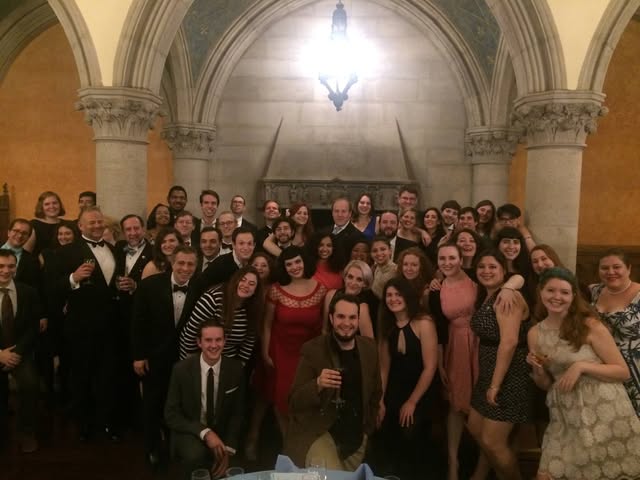
Black tie. Held annually at a venue selected by the Symposiarch, and announced some six weeks in advance. Past speakers have included recipients of the Distinguished Literary Achievement Award (Jacques Barzun in 2011, Carol Guess in 2014, Greta Gerwig and John McWhorter in more recent years), along with sitting and emeritus Society officers, the occasional faculty member, and an Avatar or two.
The Dinner is the principal opportunity for current students and Geezers to meet in the same room each year, and the principal annual event of the Foundation. Tickets are sold via the Foundation; nominations of speakers are welcome.
Surgam ("I shall rise") is the Society's literary magazine and the source of its motto. Issues collect verse, prose, the occasional debate transcript, photography, marginalia, and miscellany from current student members. The magazine is edited and published independently, on its own pace, by the Literary Czar and a rotating editorial team.
The Society visits its peer literary and debating societies most years — historically the American Whig–Cliosophic Society at Princeton, the Demosthenian Literary Society at the University of Georgia, and student-run debate clubs at the University of North Carolina. The Princeton trip is the most sweetly fraught.
Aaron Burr (Cliosophic, 1772) shot Alexander Hamilton. James Madison (Whig, 1771), on the other hand, co-authored the Federalist Papers with Hamilton. The running ledger between Philo and Whig-Clio more or less nets zero.
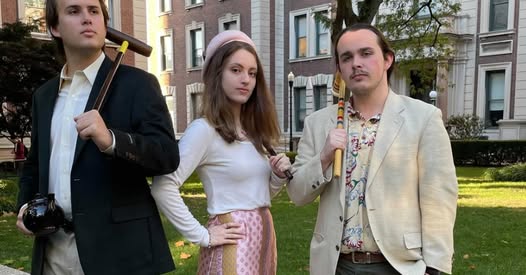
Observed, in the Society's manner, with varying degrees of regularity:
The Foundation stewards funds for the student Society, the awards, and the search for a permanent home. Every gift is tax-deductible.